A SMALL LIBRARY - My favorite reads
Books I return to for new questions, better language, and a little more perspective.

The timing for when I came across this book was after already working in the industry for close to fifteen years, I can't speak to what my reaction would've been if I had read this book early in my career. At this stage in my career, I found this book to have been written with the optimal level of detail for anyone looking to understand the mechanics behind management systems, sustainability systems, ecosystems, political systems and many. The frameworks Meadows refers to cascade across various disciplines and industries!
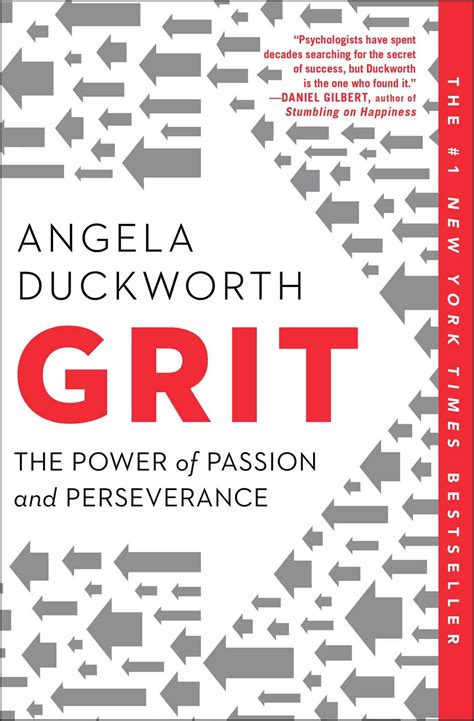
The knowledge from this book transformed my gait at work and in my personal life.
Everyone has grit, motivations can vary. Understanding what unlocks yours is key to allow yourself to keep moving with ease as you take calculated risks, take stock of your learnings and keep moving forward toward your goals.

I limit my intake of dystopian novels to once a year - this one was a win though. The political, environmental and cultural landscape of the book's setting is unfortunately too close to our reality few decades out given the policies we're seeing get implemented globally. Coalitions that took decades to cement and incentivise for benefits of all, have crumbled too quickly for anyone to forecast or predict in the past two decades which may take even longer to build.
I find beauty in dystopian novels such as this one - as it can be a wake up call for many to take action.
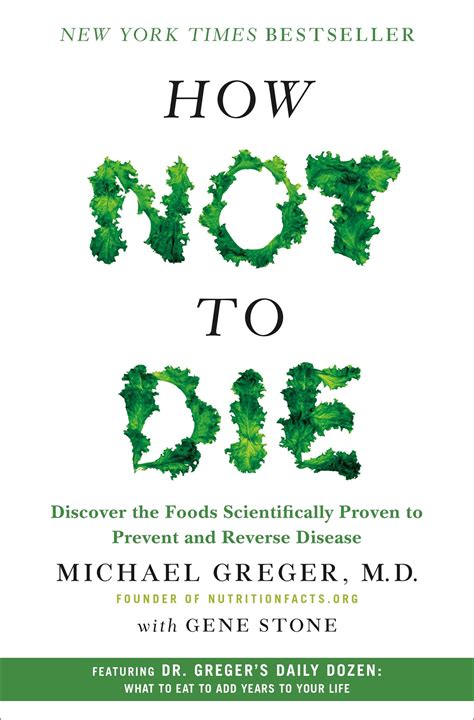
We often don't pause to reflect that results of traditions certain cultures or societies have practiced over time over a significant population set can be considered as empirical data. As the cost of medical care continues to skyrocket, there is more economic incentive in the past few decades for doctors and scientists to research empirical data to find tactical strategies that can be employed by medical care teams and governments to reduce cost of care.
This book is the best one I've come across so far - as Dr. Gregor combines medical research, advice, policies with empirical data research he collaborated with various researchers to study to develop tactical strategies you can take proactively to be healthy and minimize your own cost of care.
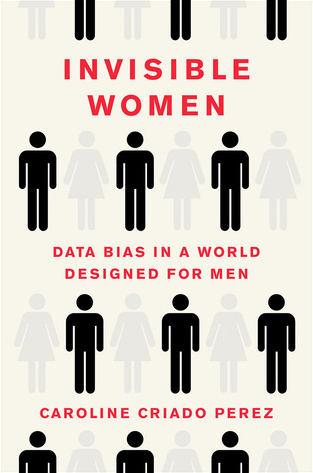
As a leader in an organization, it's your responsibility to ensure you're aware of your tendencies of bias and identify bias in the environment to ensure your team/employees have the support they need to do their best work. Although this book is titled invisible 'women' and a lot of the statistics shared are gender comparisons, the primary reason is because we have the most data to stratify by gender to maximize answer questions and highlighting a significant difference in the results. The framework applies across all stratifications (socioeconomic, age, geographical, etc) and helpful to gain perspective and insights for policymaking and more.
Picking between 'The Design of Everyday Things' and this book was tough. The reason I picked this one is because we're still far away from equality in adhering to all customer market segments with equality. If there was more awareness on the impact of the difference, there would be a higher priority to action the intention of designing for all inclusively.
